01 / Omaha
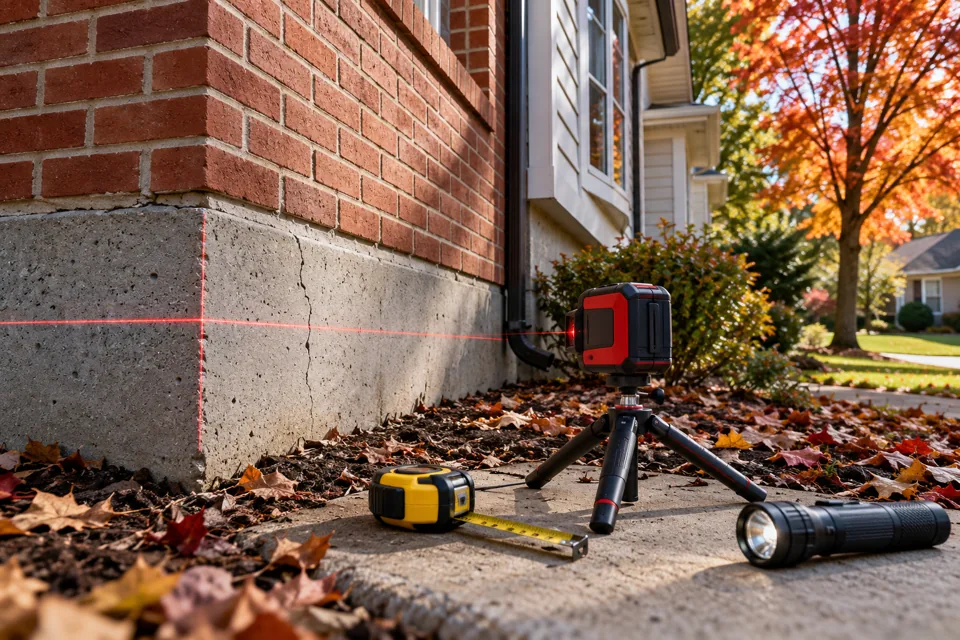
Foundation assessment
Bring the visible signs into one property-specific review.
Take a closer look
A stronger plan starts with the details.
A crack deserves an explanation before it gets a repair. Keep the symptoms, the measurements and the proposed scope together, so the next decision is grounded in your property.
Read the signs. Ask better questions. Compare the scope.
Bring the visible signs into one property-specific review.
Take a closer look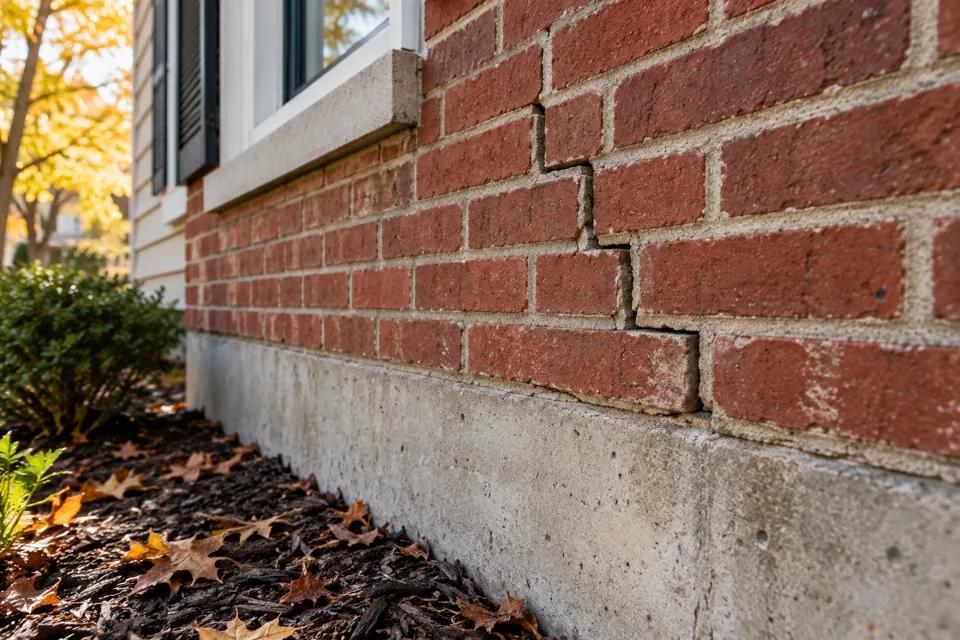
Record the pattern before choosing a repair approach.
Take a closer look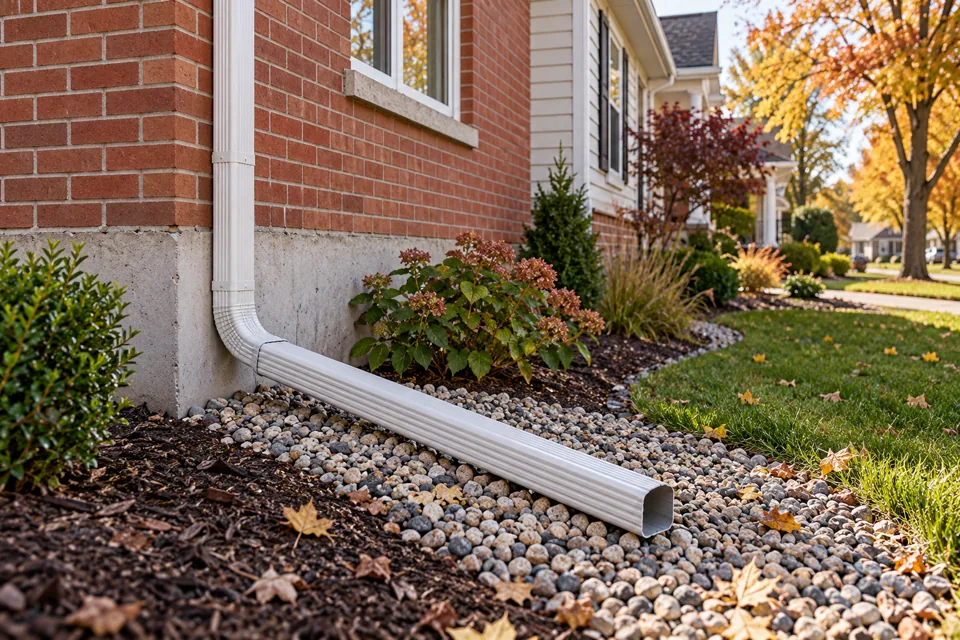
Include the ground around the wall in the discussion.
Take a closer look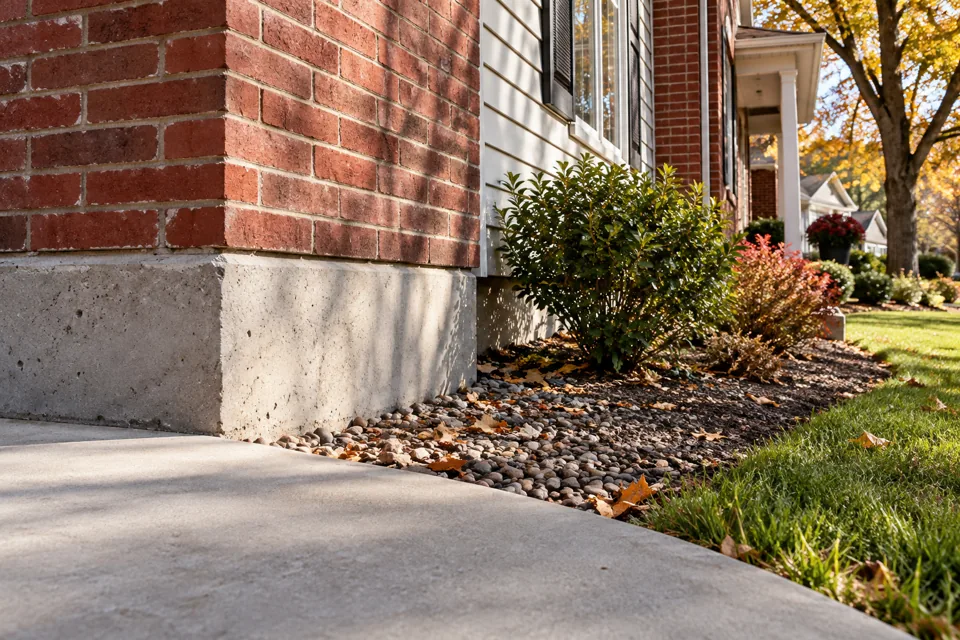
Understand the recommendation before deciding on a method.
Take a closer lookService descriptions explain the questions to discuss. The independent provider must confirm offered work, property coverage, credentials, pricing and availability directly.
A foundation request often starts with a crack, a sticking opening or a change in floor level. Keep those observations together rather than treating each one as a diagnosis. Ask the provider what the assessment covers, what measurements will be taken and whether an independent specialist is appropriate for the concern. A useful report separates observations from conclusions and explains the basis for any proposed work. Confirm what is included in the visit and which questions require a separate evaluation before a repair scope is agreed.
A crack has a location, a direction and a history. Explain when you first noticed it and whether a dated photograph shows a change. Interior finishes, masonry joints and exposed concrete can raise different questions. Ask the provider to explain the significance of the pattern in context instead of relying on a photograph alone. The proposed repair should describe what it addresses and how the condition will be assessed afterward. Cosmetic work and structural work should remain clear, separate parts of the conversation.
A foundation conversation can also involve grading, downspout discharge and water collecting near the building. Describe where the water appears and whether the concern follows a particular event. Ask how those site conditions relate to the observed building symptoms and what evidence supports that connection. Drainage work, waterproofing and structural repair have different aims. A useful scope identifies which of them is proposed, what it excludes and how the provider expects to assess the result. Do not assume that one category automatically replaces the others.
Visible slab edges, joints and transitions can provide useful context for an assessment. Explain the affected rooms and any changes you have observed at the perimeter. If a support or leveling method is proposed, ask why it fits the findings, what investigation supports it and what limitations apply. The quote should describe access, disruption, any separate finish work and follow-up. Keep the project tied to the property-specific evaluation instead of choosing a method from a broad description on a website.
Put the key details in one place: the location, the signs and the service you want to discuss. The provider confirms coverage, availability and the work directly.
Call Now
★★★★★
We were concerned about a crack along an exterior foundation wall. They inspected the accessible section and explained the findings before discussing the repair. I knew what had been done and which things were still my responsibility.
Nancy Dalton

★★★★★
I received a confirmation with the appointment details, which made planning easier. They checked the house, reviewed the measurements with us, and set out a repair scope. The work stayed organized and the crew left the access area tidy.
Naomi Holmes
★★★★★
The office kept me informed, so I did not have to keep calling for an update. Our sticking doors are working better. I was able to ask questions without feeling like I was slowing them down. I appreciate a service visit that is easy to understand from beginning to end.
Jesse Steele

★★★★★
The appointment details were accurate. Clear repair notes and a tidy finished job. The written notes were handy.
Robert Whitaker

★★★★★
The confirmation was clear enough that I could pass the details on to my partner. The team explained the access needed and walked through the stages before starting. The project was easier to manage because we knew what to expect.
Lois McGuire

★★★★★
Everything was clearly explained. A clear assessment and careful foundation work. Good service from the first call.
Julia Olsen

★★★★★
The foundation work was organized and tidy. Good service from the first call.
Lorraine West

★★★★★
Friendly people who took the time. The repair fit into our home project smoothly.
Evan Brady

★★★★★
The appointment details were clear, and I knew who to contact with questions. A useful assessment and careful repair work. They kept me updated without needing to be chased. The whole thing was easier to manage than I expected.
Neal Kirby

★★★★★
The crew was respectful of our space. The inspection and repair were well explained. They explained the work before starting.
Frank Pierce
Tell the provider your address and ZIP before relying on availability. Then describe the affected rooms, access constraints and any relevant previous work. A city name alone does not confirm that a particular service is offered at the property.
For homes with brick foundations, basement walls and established residential lots, a useful assessment stays focused on the actual signs and the parts of the building involved. Ask what can be inspected during the visit and which areas may need another arrangement.
This resource focuses on Omaha, Nebraska. Offered work and coverage at an individual address still need confirmation with the provider.
Start with the concern at your Omaha property. These answers explain the service conversation, the scope and what to confirm before a visit.
A crack needs context before it can support a conclusion. Location, pattern, history and related building conditions all belong in the assessment. Ask what was observed and measured and how the recommendation follows from those findings. A photograph can start the conversation, but it should not replace a property-specific review or any further evaluation the concern requires.
Gather the affected rooms, dated photos if available, previous reports and a short history of changes you have noticed. Mention relevant prior repair work and water collection around the building. Ask what the visit includes and which questions may need a separate assessment. Keep observations distinct from assumptions about the cause or the required repair.
They address different questions, although a proposal may discuss both. Drainage work concerns how water moves around a property; a structural repair concerns particular building findings. Ask how each recommendation relates to your assessment and what it is intended to improve. A clear scope should explain those aims separately rather than treating the terms as interchangeable.
Different proposals may use different methods or cover different areas. Ask each provider for the reasoning, evidence, limitations and exclusions behind the recommendation. Compare the assessment and the expected scope before comparing totals. Where a conclusion remains uncertain, ask whether another professional opinion is appropriate and how it would influence the proposed work.
Ask which areas need access, what finishes or landscaping may be disturbed and which reinstatement work is included. Confirm the work sequence, the proposed schedule and what happens if new conditions are found. A specific explanation helps you prepare the property and compare proposals that may otherwise appear similar but place different responsibilities on the homeowner.
The website provides a starting point for a foundation-service conversation. It does not assess the building or confirm a repair method. The independent provider must verify the property, scope, availability and terms. No appointment is created by viewing the page or sending an enquiry.
Confirm your full address, the service offered and the appointment terms with the provider. Explain access constraints and the signs you have noticed. Ask what the assessment includes, whether there is a visit charge and how the proposed work will be quoted. Foundation Repair Omaha NE is an independent resource; it does not assess the property or guarantee a provider’s schedule.
An independent provider performs any agreed work. Foundation Repair Omaha NE is an information and referral brand, so the provider’s identity, relevant credentials, scope and terms must be confirmed directly. The website does not claim a treatment team, repair crew or owned service fleet. Use the content to organize your questions, then rely on the actual provider’s written agreement.
Explain each concern and its location so the provider can confirm which services fit the request. A foundation concern may involve more than one area or specialist. Ask whether those items belong in one assessment or separate scopes. Do not assume that a broad service label covers every repair or property condition. Clear boundaries help keep the quote and responsibilities understandable.
The details describe your concern so that an independent provider can respond. Share only what is needed: a callback number, the property ZIP and the signs you have noticed. Do not include payment, medical or other sensitive information. Sending a request does not book a visit or create a provider relationship.
An Omaha foundation conversation can involve a basement wall, a masonry joint and a change in an opening elsewhere in the house. Bring those observations into one account. Ask which findings are related, which remain uncertain and what evidence supports a proposed repair. The strongest starting point is a clear assessment.
Older photos, previous work and a room-by-room description are useful context. They should support the present assessment rather than stand in for it. Ask the provider to distinguish the history of the home from the findings recorded now, then define the work around those findings.
The seasons change what homeowners in Omaha see and when to act. Basement walls and floors show the most movement after the spring thaw and heavy rain, and freeze-thaw cycles keep stressing cracks through winter.
| Season | What to watch | What to do |
|---|---|---|
| Spring | Wet soil after thaw and rain; cracks widen | Check grading, gutters and downspouts; photograph cracks and measure them |
| Summer | Dry soil shrinks and slabs settle | Keep soil moisture steady near the foundation, check for plumbing leaks |
| Fall | Leaves clog gutters, rain returns after dry spells | Clean gutters and check window wells and drains |
| Winter | Freeze-thaw cycles stress walls and cracks | Watch basement walls and slab edges, and keep snow away from the foundation |
Each repair method fits a different cause. Ask the provider to explain why the proposed method matches what was measured at your home.
| Method | How it works | Notes |
|---|---|---|
| Pressed or drilled piers | Piers placed under the footing down to stable soil, then the slab is lifted | Common for settlement. |
| Helical piers | Steel shafts screwed to load-bearing depth | Used where access or soil suits. |
| Polyurethane foam | Foam injected under the slab to fill voids and lift | Minimal disruption for some cases. |
| Mudjacking | A cement-based slurry is pumped to lift the slab | Used for light settlement and flatwork. |
| Drainage and moisture control | Grading, gutters, drains and watering practices | Reduces future movement. |
Foundation Repair Omaha NE is an independent referral website. Call Now connects you with an independent provider that serves your ZIP code in Omaha, Nebraska. The provider confirms the address, inspects the property and gives you the scope in writing, and you decide whether to go ahead. Coverage covers Omaha and requests also reach providers serving Bellevue, Papillion, La Vista, Elkhorn and Ralston.
Tell us what you are seeing. An independent local provider confirms the visit.
Call NowUnderstand what your home is telling you.